


VERIFIED · USA
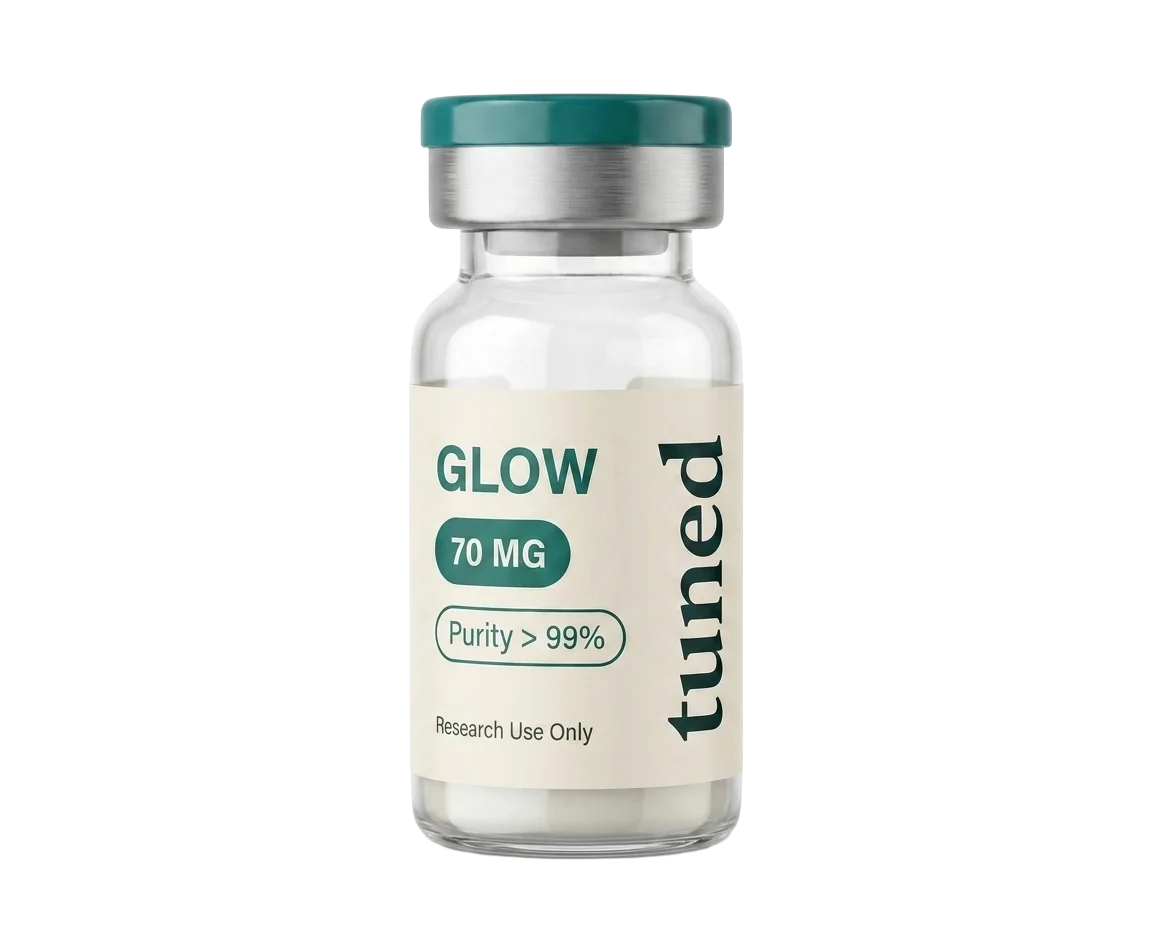
GLOW
What GLOW is studied for.
A skin-and-repair blend of GHK-Cu, BPC-157 and TB-500. Investigated across the following preclinical and in-vitro research areas.
Skin remodeling
Studied in preclinical and in-vitro research for collagen synthesis, dermal remodeling and skin-quality pathways.
Wound healing
Studied in preclinical and in-vitro research for wound healing and tissue repair across all three components.
Hair growth
Studied in preclinical and in-vitro research for hair-growth and follicle pathways.
Connective-tissue support
Studied in preclinical and in-vitro research for tendon, connective-tissue and systemic tissue-repair signalling.
The science behind GLOW
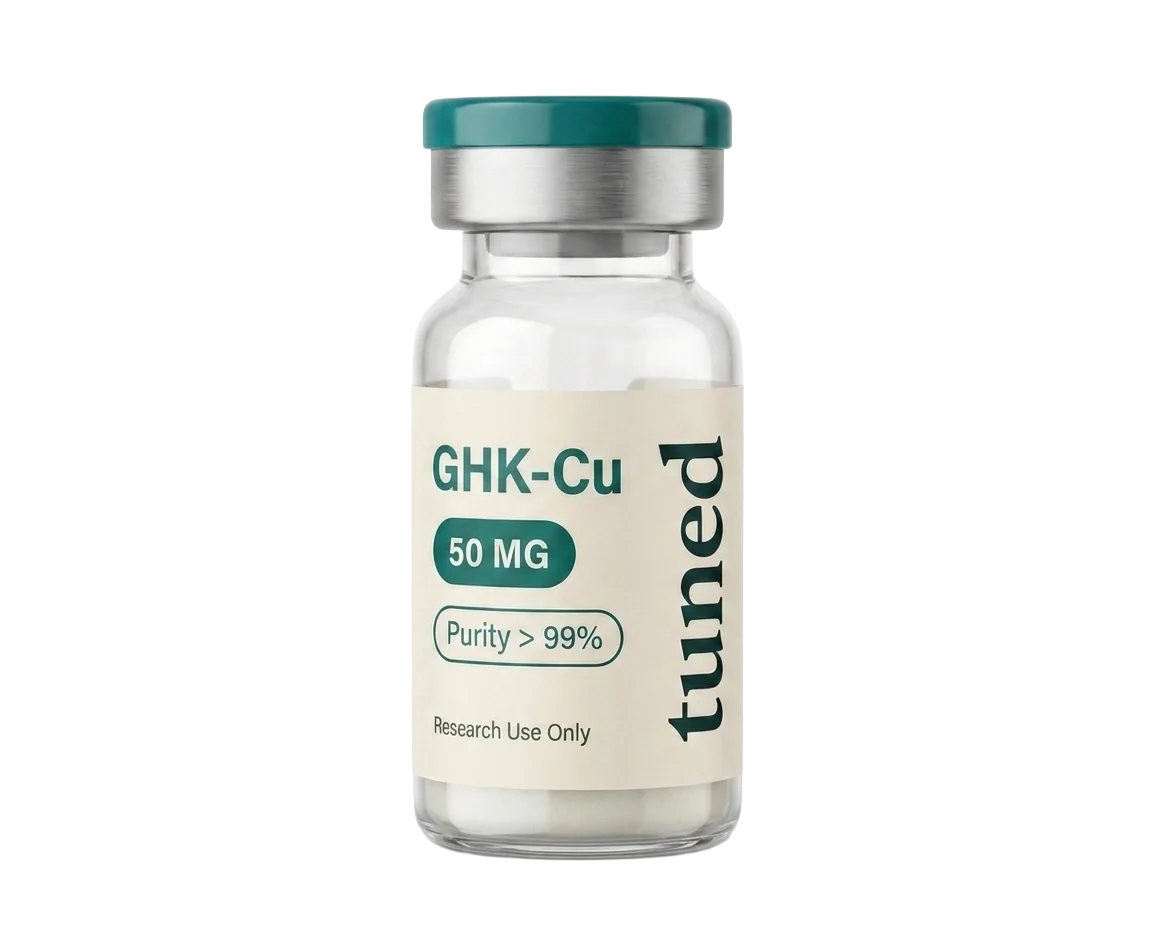
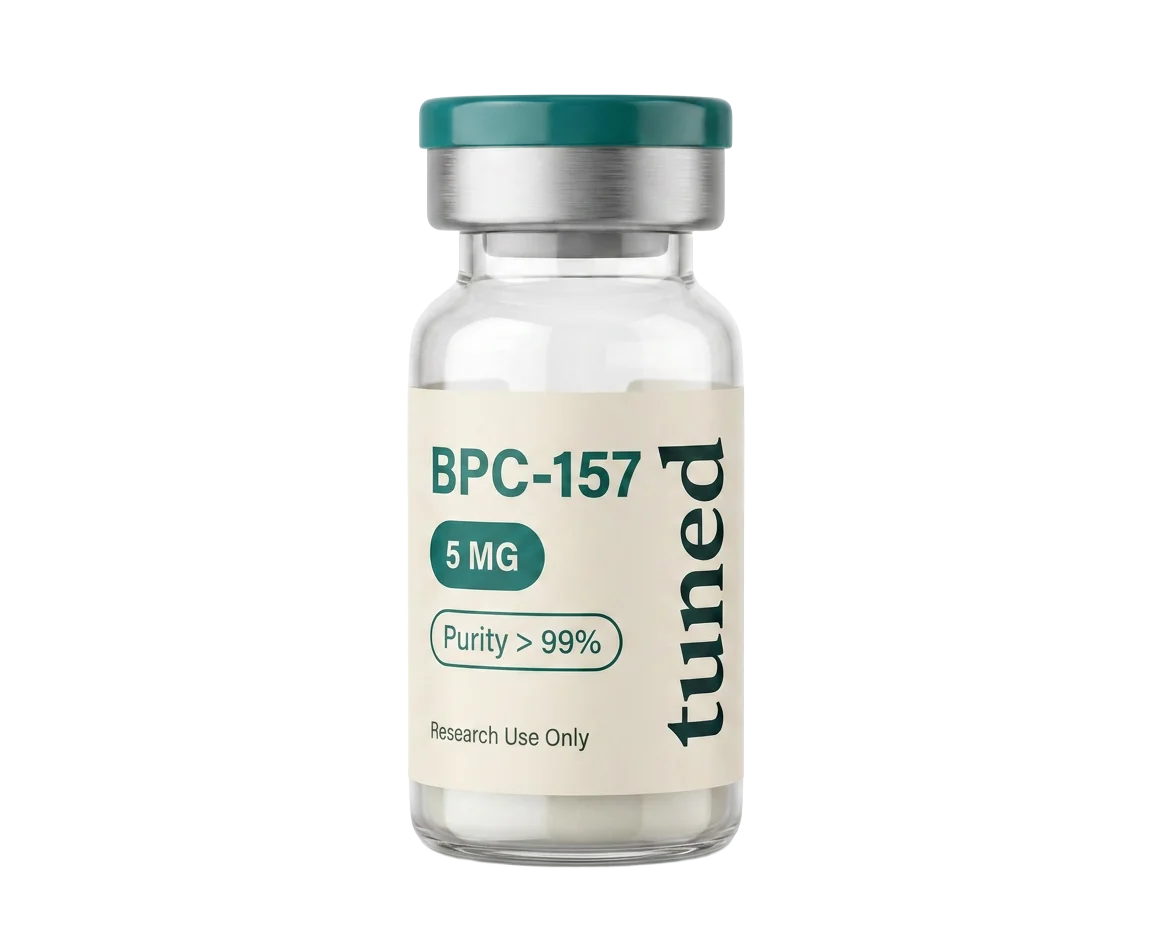
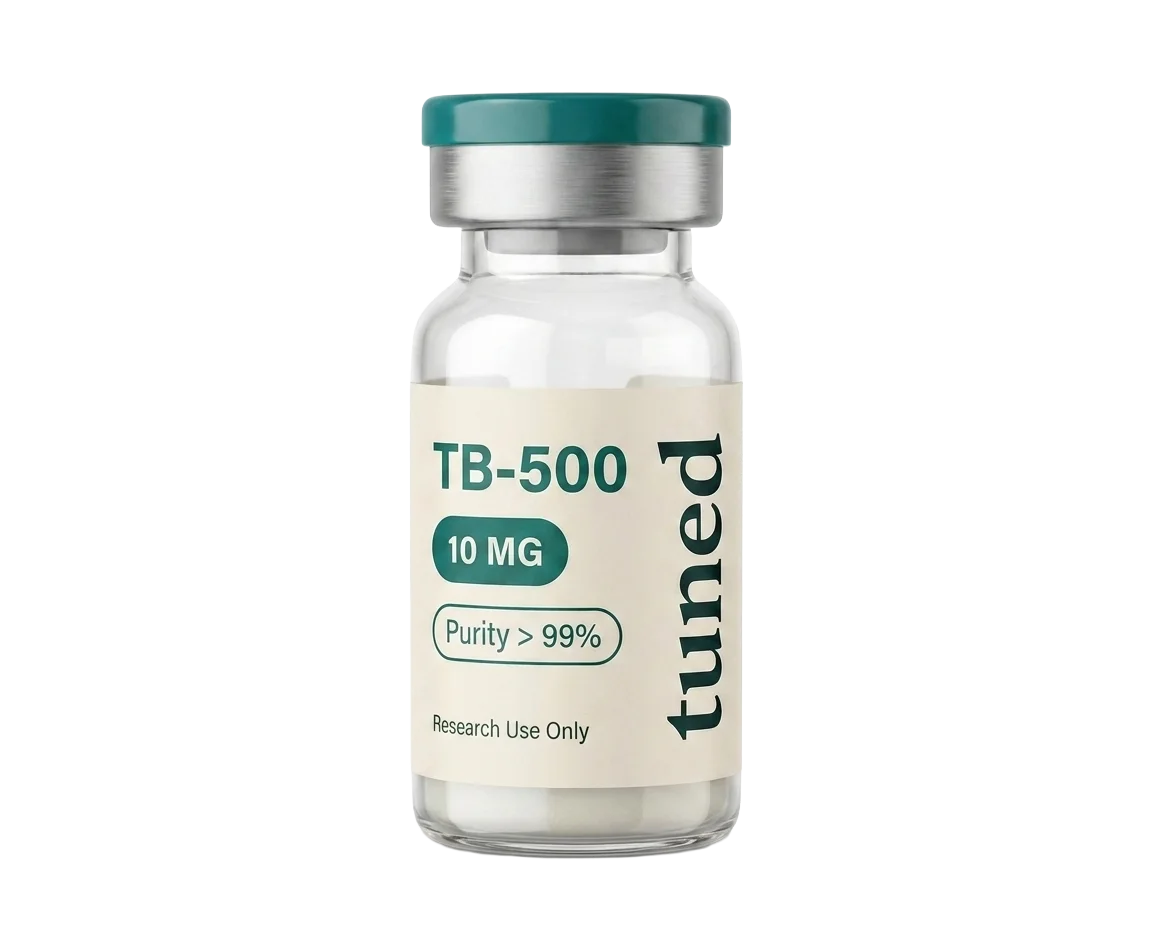
GLOW pairs three peptides studied for overlapping skin, wound-healing and tissue-repair pathways. GHK-Cu is a copper-binding tripeptide (Gly-His-Lys) investigated for collagen and extracellular-matrix remodelling, antioxidant signalling and hair-follicle research. BPC-157 is a synthetic pentadecapeptide studied for angiogenesis and collagen synthesis (COL1A1/COL3A1) and systemic tissue repair. TB-500 is a Thymosin β4 fragment examined for actin-driven cell migration, angiogenesis and tissue regeneration. Together they are studied as a skin-and-repair combination in laboratory research.
Read the full research picture
- Regenerative and Protective Actions of the GHK-Cu Peptide in the Light of the New Gene Data.PubMed · PMID 29986520 · GHK-Cu
- The potential of GHK as an anti-aging peptide.PubMed · PMID 35083444 · GHK-Cu
- Multifunctionality and Possible Medical Application of the BPC 157 Peptide-Literature and Patent Review.PubMed · PMID 40005999 · BPC-157
- Gastric pentadecapeptide body protection compound BPC 157 and its role in accelerating musculoskeletal soft tissue healing.PubMed · PMID 30915550 · BPC-157
- Simultaneous quantification of TB-500 and its metabolites in in-vitro experiments and rats and their screening by wound healing activities in-vitro.PubMed · PMID 38382158 · TB-500
Targets, pathways and publications are compiled from curated biomedical databases (ChEMBL and pathway resources) and PubMed. They describe directions of laboratory investigation only — not clinical outcomes, efficacy, dosing, or any intended use in humans or animals. No established human dose exists for this blend, and this page provides none.
Exactly what's in the vial.
Full molecular Certificate of Analysis — component identities, molecular formulas & sequences — included with every order.
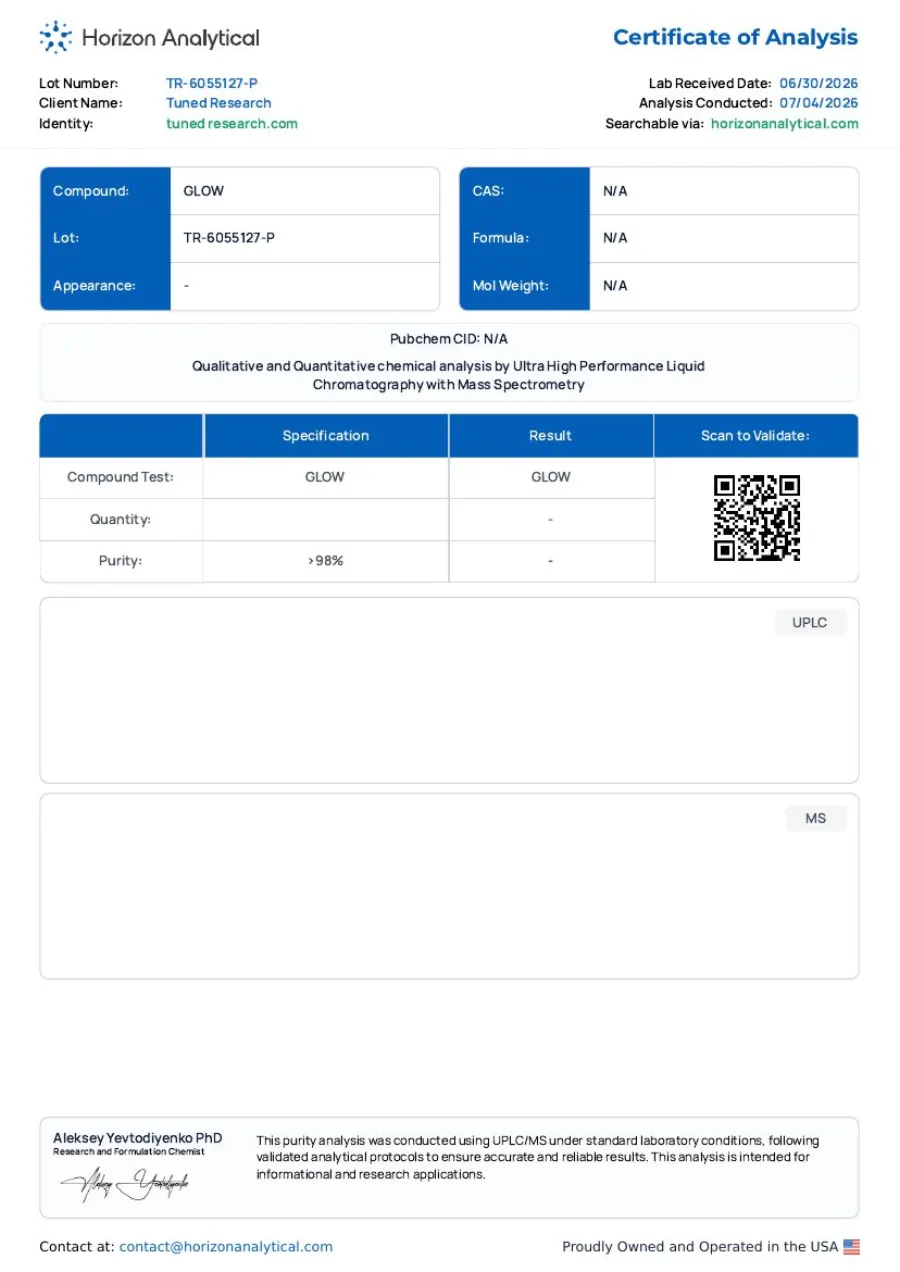
Proof for this exact lot.
VERIFIED
USA
Reconstitution & storage.
General laboratory handling reference for lyophilized peptides. No established human dose exists for this blend, and this page provides none. Always follow your institution's protocols.
Equilibrate
Let the sealed vial reach room temperature before opening to prevent condensation.
Add solvent
Slowly add bacteriostatic water down the vial wall — never directly onto the powder.
Dissolve gently
Swirl, don't shake. Let it go fully clear; avoid foaming or vortexing.
Store cold
Refrigerate the reconstituted solution at 2–8°C; minimize freeze-thaw cycles.
Concentration (mg/mL) = vial mass (mg) ÷ solvent added (mL). Use this relationship to plan working dilutions for your in-vitro research.
Risk stays with us, not you.
Verified on every lot
Independently tested to its stated purity on the Certificate of Analysis, with a batch-specific CoA included.
Manufactured in the USA 🇺🇸
Synthesized, lyophilized, tested and shipped in the United States.
Free shipment protection
Covered against loss, damage or theft in transit — reshipped at no cost.
What researchers say.
GLOW, answered.
Composition, storage, documentation, shipping and research-use terms.
Add to cartWhat's in the GLOW blend?
How is purity verified?
What's the best way to store GLOW?
What do I need to reconstitute it?
How fast does it ship?
Is this for human use?
Ready when your research is.
GLOW — GHK-Cu + BPC-157 + TB-500, >98% pure, with a lot-specific CoA and free shipment protection.